How to Pack Toiletries for a Week Without a Ziploc Bag
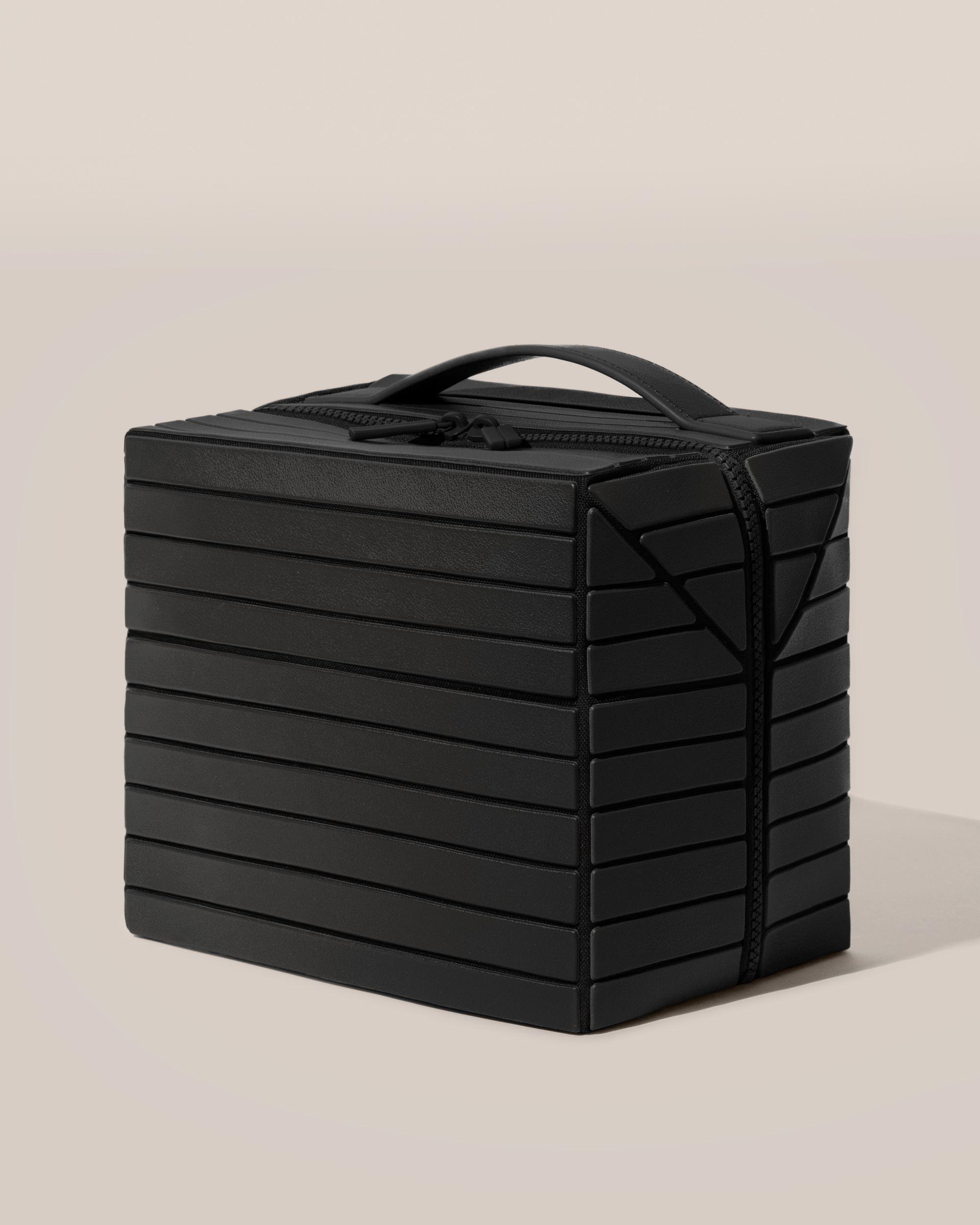
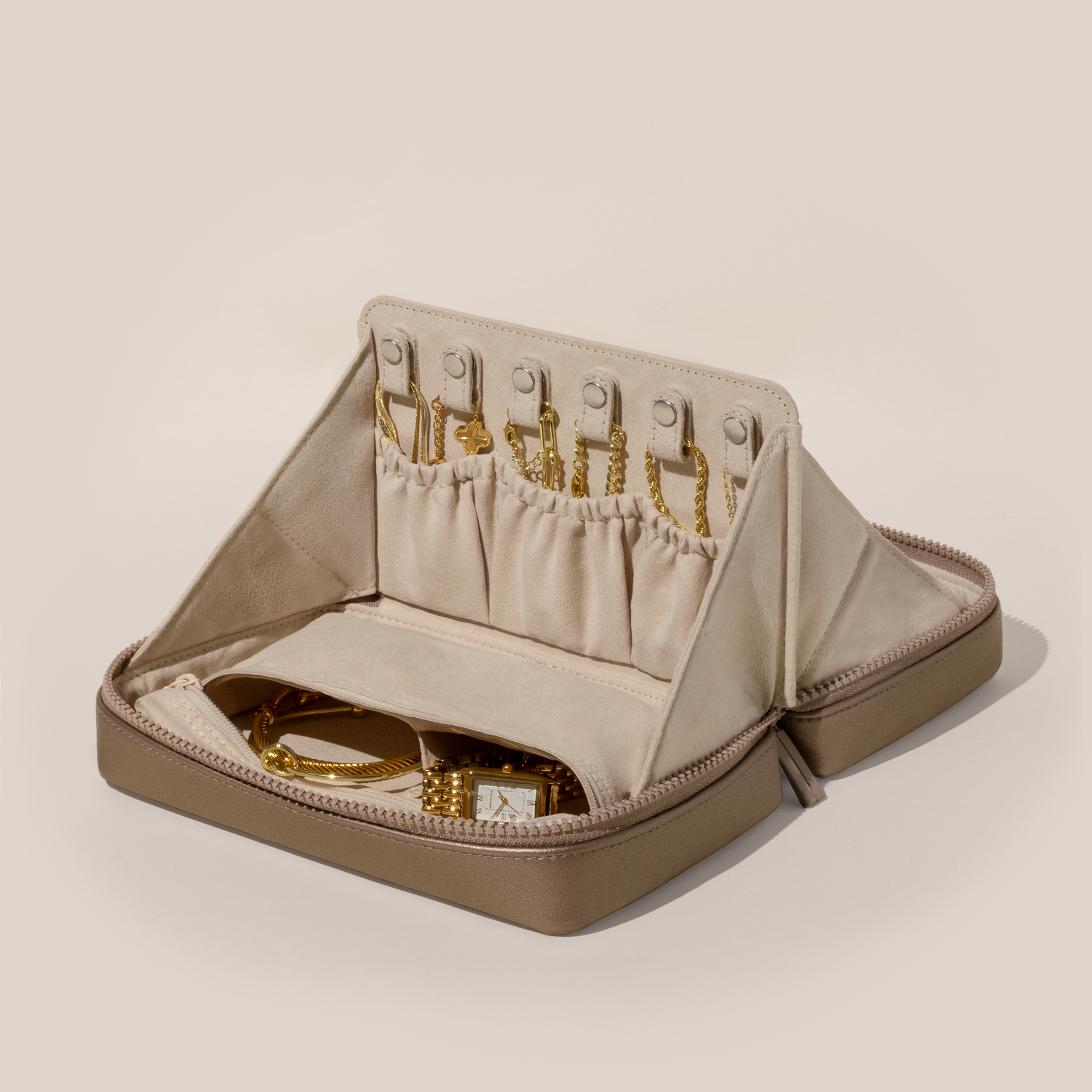
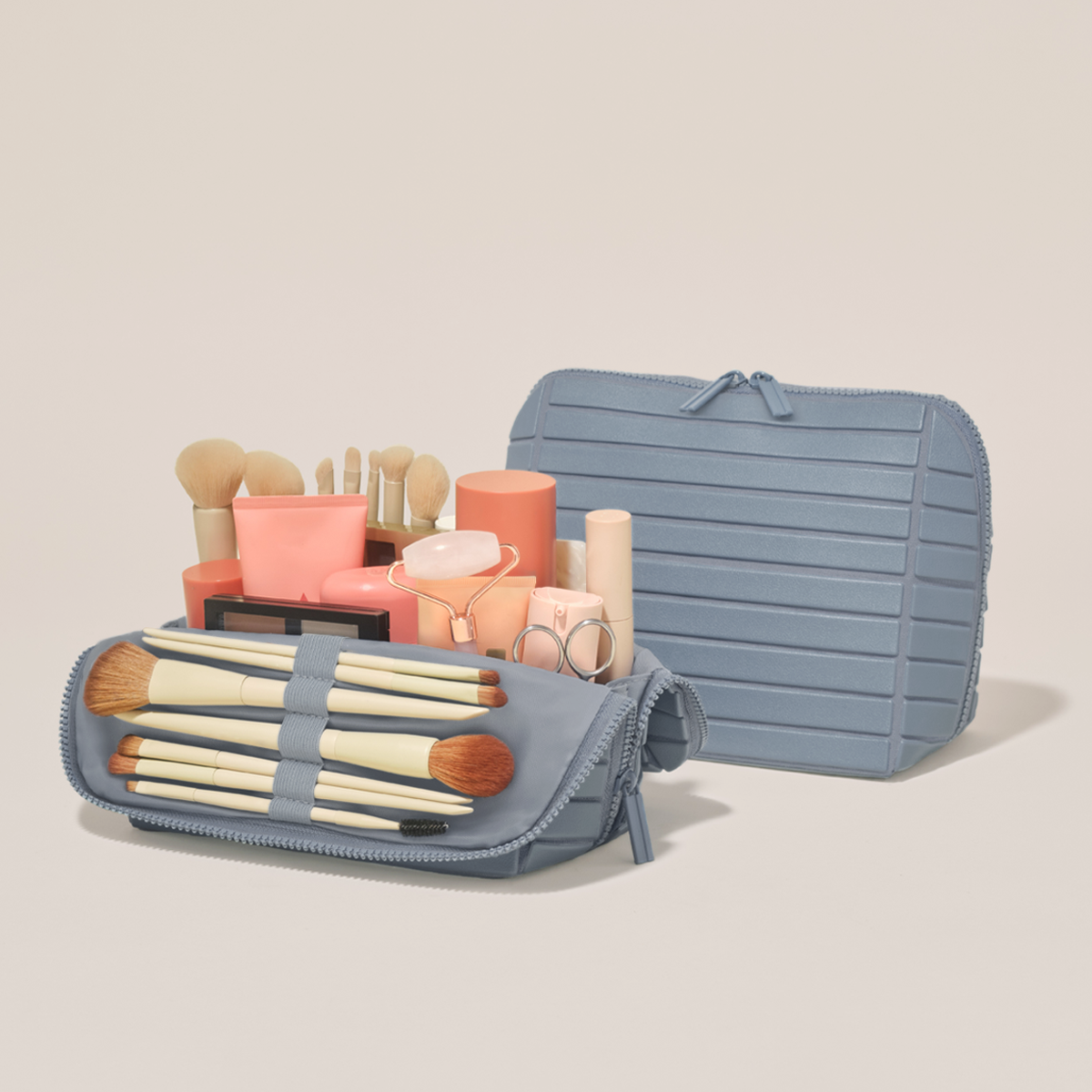
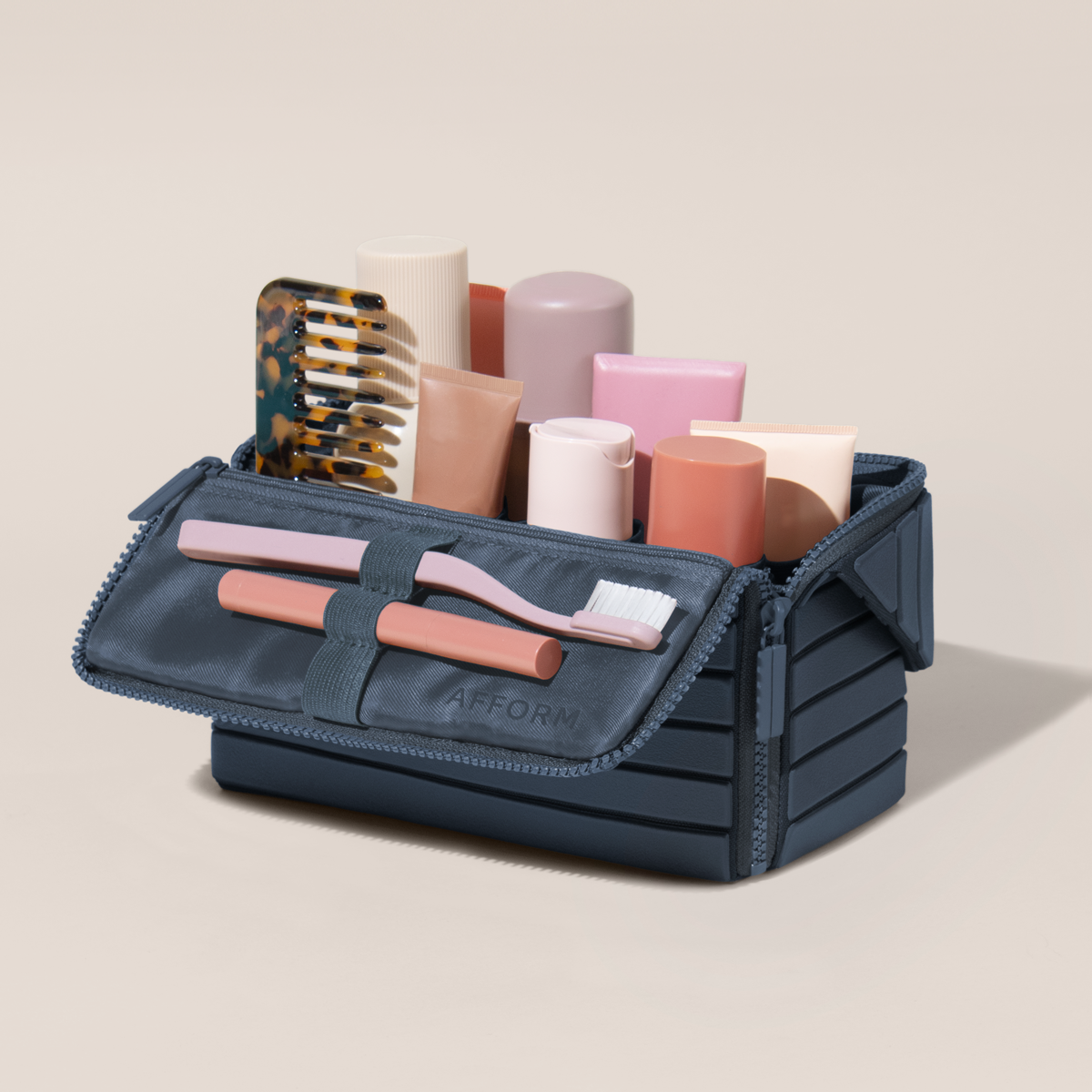
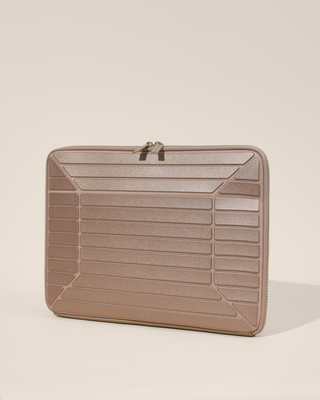
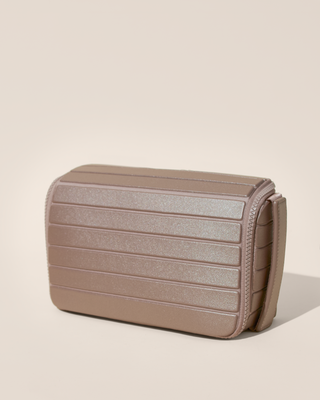
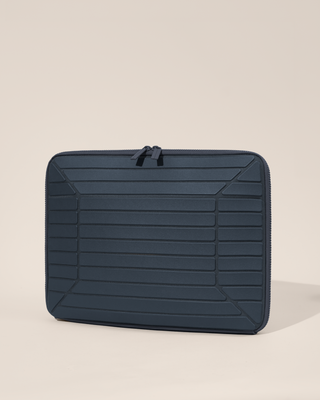
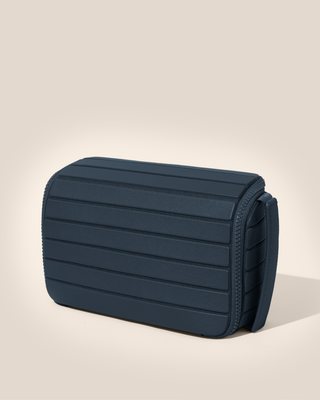
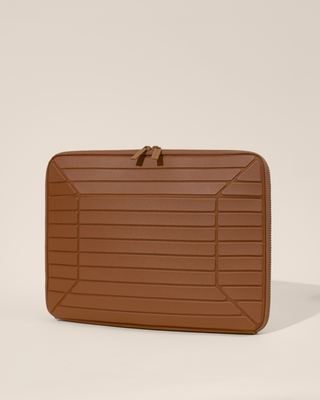
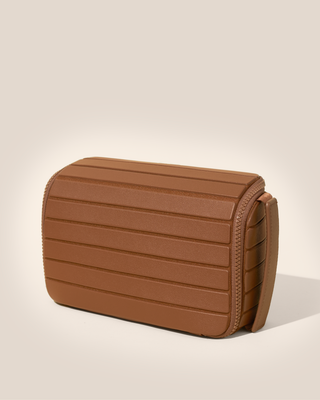
Afform, the travel accessories brand formerly known as Parallelle, officially launched on August 5th. Same founding team, same mission—just a name that finally says what the brand has always been about: A Functional Form. Founder Annie Fan built Parallelle from the ground up and now leads Afform's next chapter, still focused on helping customers arrive organized. The name and branding are changing across all channels; the quality and craftsmanship aren't. Leading the lineup: the Travellers, Afform's patented fold-down makeup bags that unfold along structured horizontal bars to stand upright, keeping everything visible at a glance. The updated Large Traveller now adds a zipper pocket and elastic loops for extended trips. Rounding out the collection: the Kits, patent-pending fold-down toiletry bags in Medium and Large, and the Vault, the newest addition—a center-unzip jewelry case that opens flat on both sides to keep necklaces, earrings, and rings tangle-free.
Picture this: the ability to glide through airport security and pull out a polished, well-curated toiletry kit—no flimsy plastic bag, no mystery leaks, no waste. Packing toiletries for a week without a Ziploc bag isn’t just doable; it’s a smarter, cleaner, and more considered way to travel. With the right containers, a few savvy solid swaps, and a structured organizer, travelers can simplify their routine, safeguard their luggage, and move through every leg of the trip with ease. This guide covers the entire process—from auditing what one actually uses to fine-tuning the setup over time—so travelers can retire the disposable bag and travel with quiet confidence.
Plan and Audit Toiletry Needs
Before decanting a single drop or packing a single bar, smart travelers get clear on what they truly use. A little planning turns packing from guesswork into a purposeful, streamlined process. The key is reducing the load by learning from real habits.
Audit the routine for 3–7 days. Note what one reaches for morning and night, and essentials quickly separate from nice-to-haves. As seasoned travelers suggest, test how much product one actually use; many travelers cut liquids by more than half once they measure honestly. Track amounts in ounces or milliliters, then match them to common travel bottle sizes—ideally 100ml (3.4oz) or less to align with regulations and most organizer compartments.
Now think of the kit as a compact vanity. Which items are daily non-negotiables, and which are “just in case”? Build an essentials-only list by drawing a firm line between the two. Try this simple framework:
|
Category |
Must-Have |
Optional |
|---|---|---|
|
Cleansing |
Cleanser, toothbrush, toothpaste |
Makeup remover wipes |
|
Hair Care |
Shampoo, styling product |
Deep conditioner, hair mask |
|
Skin Care |
Moisturizer, sunscreen |
Serum, sheet masks |
|
Body Care |
Deodorant, body lotion |
Body scrub, perfume |
|
Personal Care |
Prescription meds, contacts |
Pain reliever, Band-Aids |
By the end of the audit, travelers know exactly what earns a place in their kit—and what doesn’t. That clarity is the foundation of effortless, low-stress packing every trip.
Decant Liquids into Leakproof, Compressible Containers
For the liquids one prefers to keep, decanting is a traveler's best friend. Moving products into right-sized containers ensures the perfect amount is carried—and kept contained.
To decant a toiletry is to transfer it from its original (often family-sized) container into a smaller, travel-sized vessel for efficient packing.
When selecting travel bottles, look for leakproof, compressible, and ideally airless designs. Silicone squeeze bottles are affordable, vary in sizes, and often have leakproof tops, making them great for shampoo, conditioner, and body wash. For smarter space savings, consider collapsible FlatPak toiletry bottles that compress as product is used, saving space and cutting bulk along the way.
Choose sizes that suit a one-week trip—typically 1–3oz (30–100ml). These fit neatly in upright organizer compartments and comply with airport rules. For tiny amounts of creams or medicated ointments, contact-lens cases work well for tiny amounts of creams and medicated ointments, offering a surprisingly clever, ultra-compact option.
Premium containers can elevate the experience further: premium travel containers use magnets or airless pumps for neat packing, protecting every drop and dispensing cleanly. Compare common options here:
|
Full-Size Product |
Travel Container |
Benefits |
|---|---|---|
|
Shampoo/conditioner bottle |
Silicone squeeze bottle |
Compact, leakproof, reusable |
|
Lotion or cream tub |
Small screw-top jar |
Right-sized, no waste |
|
Skincare serum or oil |
Travel-size dropper bottle |
Precise, minimal spill risk |
|
Sunscreen or moisturizer tube |
Mini travel tube |
Same product, smaller size |
Thoughtful decanting reduces weight, curbs overpacking, and keeps products protected and ready to go.
Organize Toiletries in Structured, Leak-Resistant Kits
This is where a well chosen system truly shines: a well-designed organizer turns good packing into near-effortless packing. Structured, leak-resistant kits corral spills, sort products by use, and save time—whether freshening up in-flight or setting up at a hotel.
A structured toiletry kit is a portable organizer with dedicated slots, loops, and compartments—often reinforced for upright storage and lined for water resistance.
Savvy travelers appreciate that liquid travel pouches seal airtight and watertight and save space versus rigid squeeze bottles, and that silicone bottle covers or elastic sleeves help make toiletry bottles leak-proof in transit. The real upgrade is smart segmentation—separating solids from liquids, or AM from PM items—so the right things are always within easy reach.
For travelers carrying wet solids such as shampoo bars or soap, use a dry bag for wet or damp solid toiletries to prevent messes while traveling. Ventilated cases help everything dry out and keep the kit fresh.
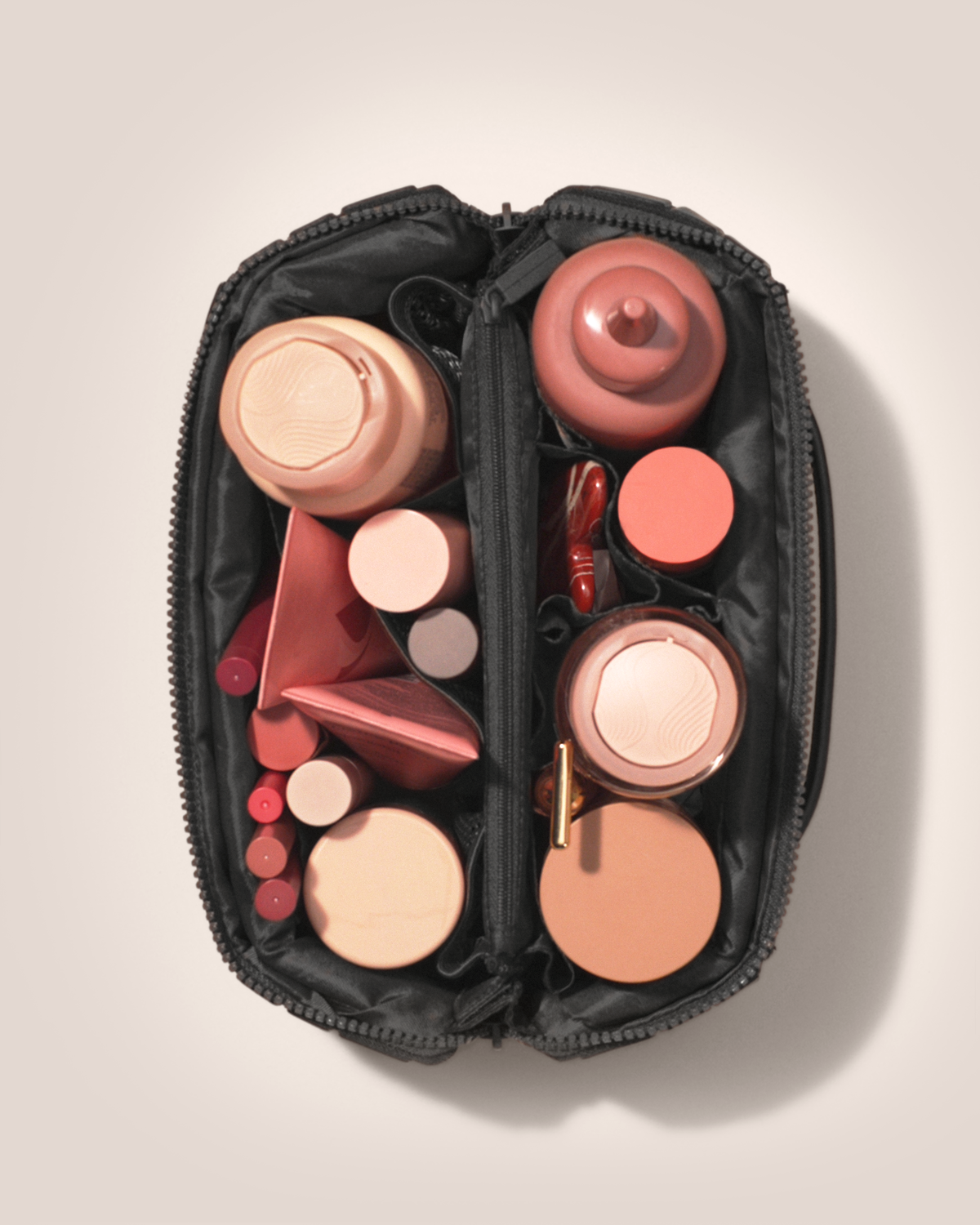
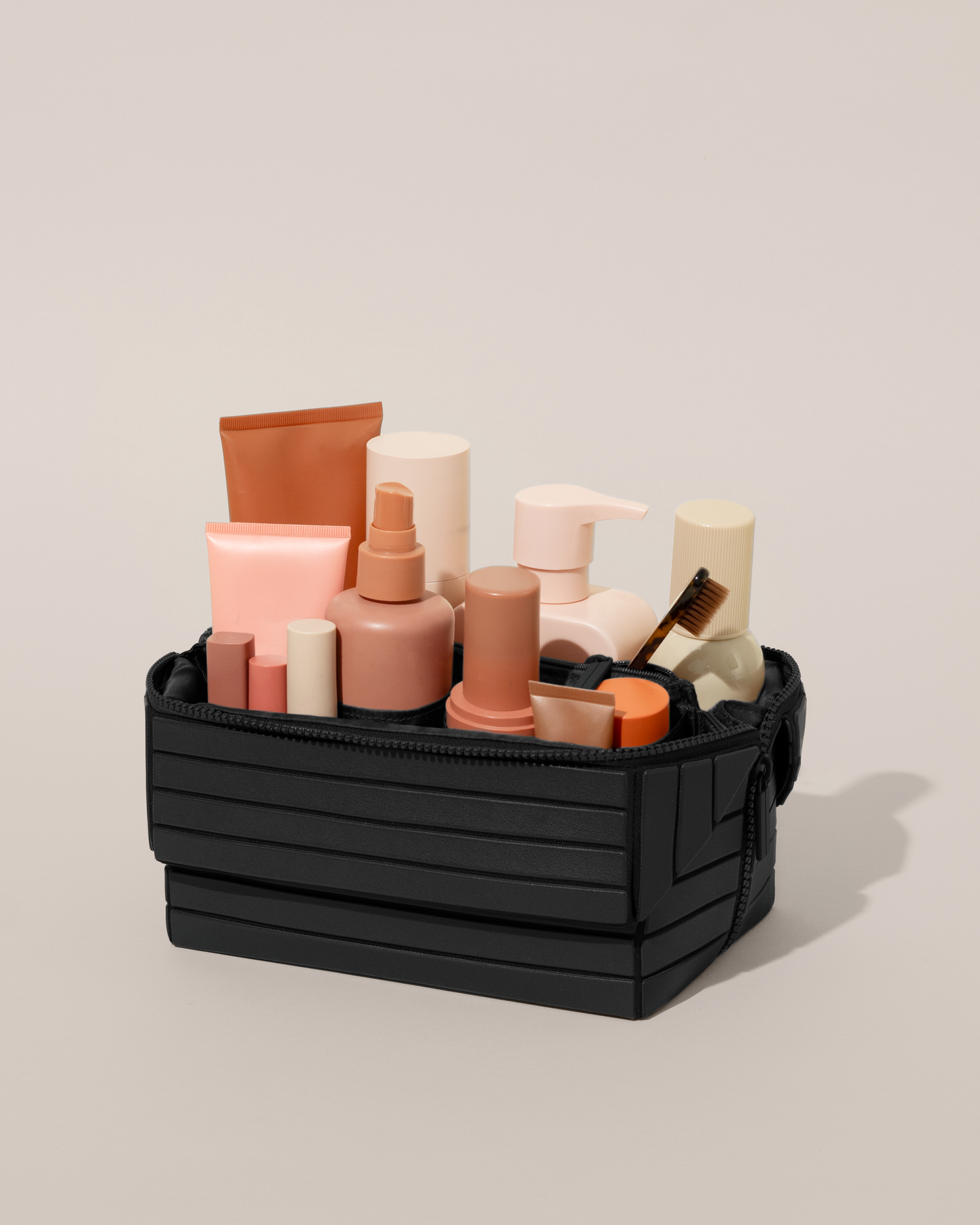
Afform's patent-pending fold-down Kits bring these ideas together in a beautifully engineered package. The upright storage design keeps bottles standing and steady, minimizing spills no matter how the bag is handled. Wall pockets, elastic loops, and mesh pouches create a home for every item—from slim bottles to larger jars—so everything stays visible, aligned, and secure. Water-resistant linings shield the rest of the luggage, while the fold-down side becomes a portable counter setup wherever it's unpacked. The Kit comes in two sizes: the Medium Kit ($130), which folds down on one side and expands accordion-style for weekends and short trips, and the Large Kit ($155), which folds down on both sides for extended trips and check-in luggage. Here's a sample layout:
|
Compartment Type |
Ideal Contents |
Kit Feature |
|---|---|---|
|
Main zippered pocket |
Full-size bottles, larger containers |
Water-resistant lining, elastic loops |
|
Mesh pouches |
Solid bars, toothbrush, razors |
Ventilation, easy visibility |
|
Wall pockets |
Cotton pads, bobby pins, smaller items |
Quick access, reinforced base |
|
|
|
|
With a structured toiletry bag like Afform's Kit, travelers aren't just packing—they're creating a calm, luxurious routine on the move.
Pack Additional Essentials and Test the Setup
With planning, swapping, decanting, and organizing complete—its time to round out the kit with a few above-the-basics items and put everything through a test run.
Typical essentials include toothbrush, toothpaste, deodorant, shampoo, moisturizer, sunscreen, plus any prescription medications or specific skincare. Add a compact brush, medications, and a tiny first-aid kit with Band-Aids, pain reliever, and antibiotic ointment. These little extras can be trip-savers when surprises pop up.
Be choosy about what gets skipped skip, too. If accommodations offer quality basics, hotels often provide soap, shampoo, and body wash—consider skipping those items. Spend the space on the products that matter most.
Before departure, do a trial run: use the Afform Kit for an overnight or weekend. Check for leaks, missing items, and any awkward access points. Does everything fit comfortably? Can needed items be grabbed fast? Adjust as needed—swap bottle sizes, reassign compartments, or move a frequent-use item to an exterior pocket.
Here’s a packing list of “above the basics” that personalize and elevate the setup:
- Personal Care: Toothbrush, toothpaste, floss, mouthwash
- Hair Care: Brush or comb, hair ties, styling product
- Skin Care: Cleanser, moisturizer, sunscreen, lip balm
- Body Care: Deodorant, body lotion, hand sanitizer
- Health & Safety: Prescription meds, pain reliever, Band-Aids, any allergy or specialty items
- Extras: Tweezers, nail clippers, small sewing kit, safety pins
By test-driving the kit in real life, travelers arrive confident, prepared, and ready to focus on the fun parts of travel.
Adjust and Refine the Kit Based on Travel Experience
The ideal kit isn't built in a day—it evolves with each trip. By reviewing what worked, what didn't, and what surprised them, travelers keep refining, simplifying, and personalizing over time.
After returning home, do a quick debrief. Note what got used up, what went untouched, and where the system excelled or fell short. Too much moisturizer? Ran out of SPF? Wish a solid had been chosen instead of a liquid? These observations become the roadmap.
Keep experimenting with solid swaps, container sizes, and kit configurations as destinations and seasons change. A weekend at the beach needs different staples than a week in a city. Afform's Kit line makes it easy to reconfigure—from the Medium Kit for shorter trips to the Large Kit for extended travel—so the kit adapts without a full overhaul.
Use this quick post-trip checklist to tune the next pack:
|
Category |
Used Items |
Excess Items |
Wishlist for Next Trip |
|---|---|---|---|
|
Cleansing |
Cleanser, toothpaste |
Makeup remover wipes |
Try toothpaste tablets |
|
Hair Care |
Shampoo bar |
Deep conditioner |
Add dry shampoo |
|
Skin Care |
Moisturizer, SPF |
Extra serum |
Test lighter sunscreen |
|
Body Care |
Deodorant balm |
Body scrub |
Bring travel-size lotion |
Over time, these small tweaks add up to a kit that feels custom-built for traveler's routines and adventures. The result is packing faster, traveling lighter, and enjoying the calm confidence of having everything needed—and nothing that isn't.
Frequently Asked Questions
How do I prevent leaks without using Ziploc bags?
Use leakproof travel bottles and structured, washable pouches to contain spills. Test containers upside down before packing, and store liquids away from electronics.
What are the best alternatives to plastic bags for toiletries?
Reusable silicone pouches, toiletry bags with waterproof linings, and dry bags are excellent, eco-friendly ways to organize and protect toiletries.
How much product do I really need for a one-week trip?
Most travelers get by on 1–3 ounces (30–100ml) per product for a week. Decant only what is used into travel-size containers to avoid carrying excess.
Can solid toiletries fully replace liquids for travel?
Often, yes. Shampoo bars, toothpaste tablets, and deodorant sticks can cover most needs, dramatically cutting liquid volume and mess.
How should I organize toiletries for easy access and spill protection?
Group items by routine or type in separate compartments, keeping high-priority products easy to reach and liquids in leak-resistant sections.
What should I do if a bottle leaks mid-trip?
Seal the culprit in a plastic bag or waterproof pouch, clean affected items, and consider switching to a solid format or an airless container next time.
Are there toiletry kits designed specifically for upright storage?
Yes—Afform's (formerly Parallelle) patent-pending Kit organizers feature upright compartments and elastic loops that keep bottles standing and secure, preventing spills and ensuring effortless access regardless of how the bag is packed.