Necklace Tangles Are a Packing Problem, Not a You Problem
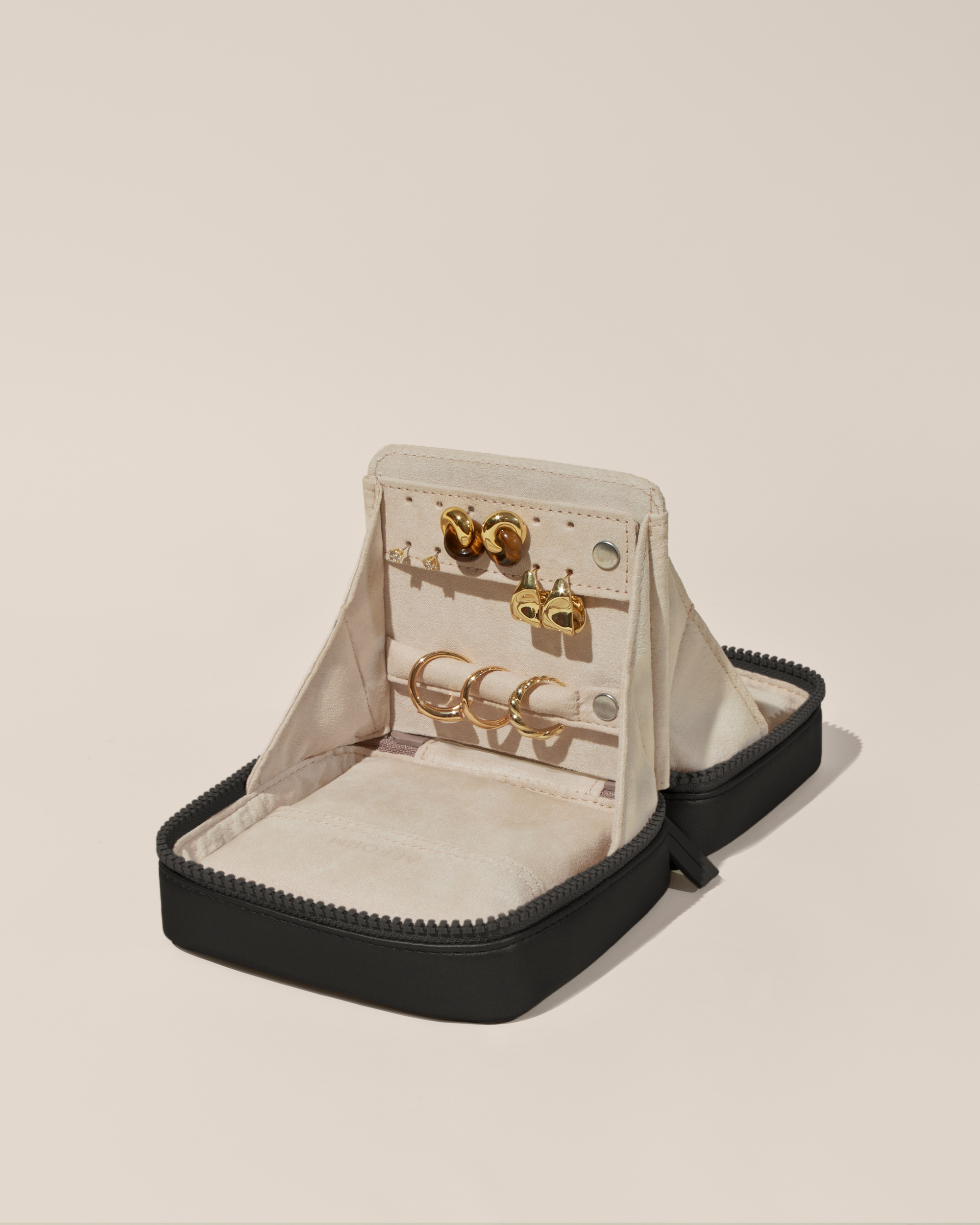
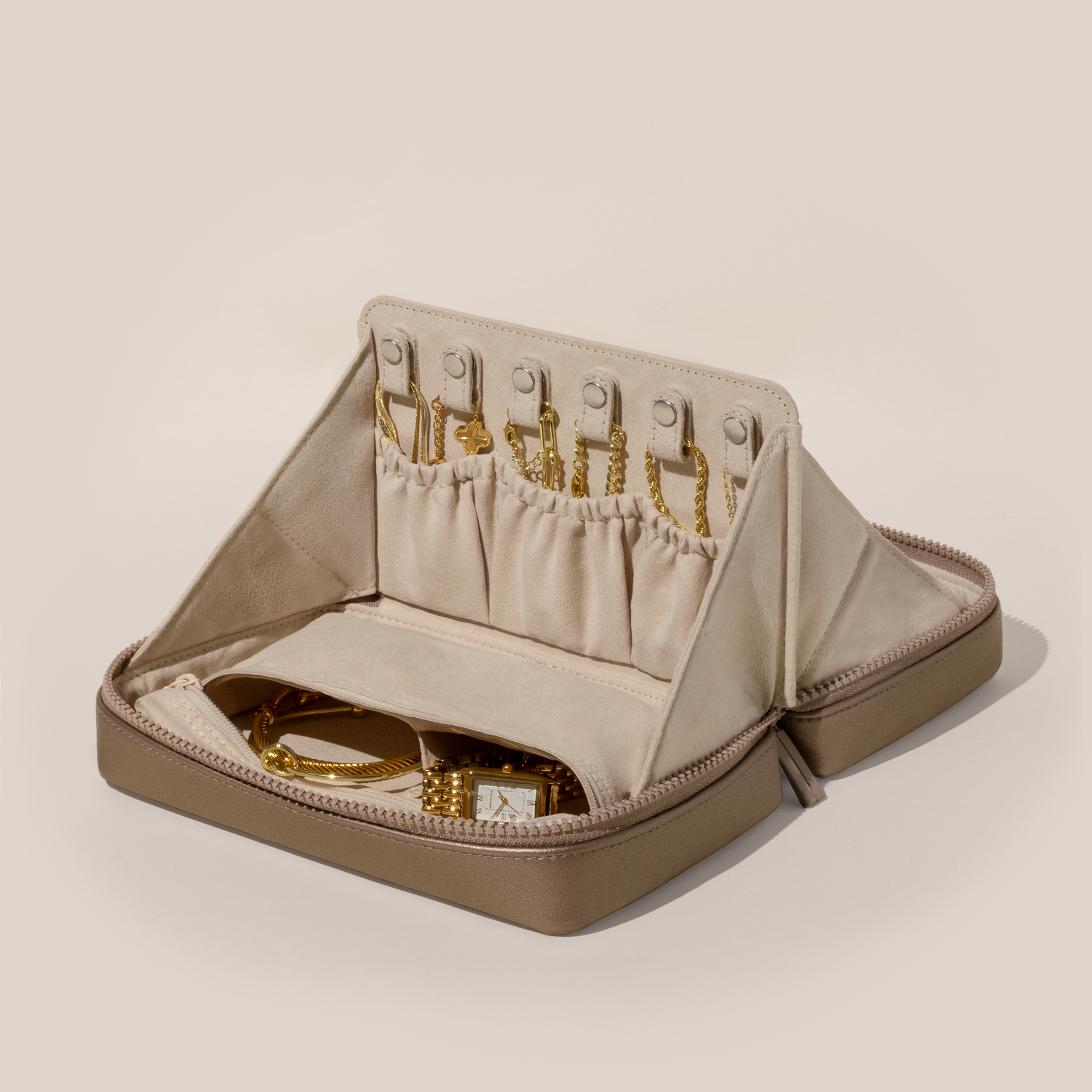
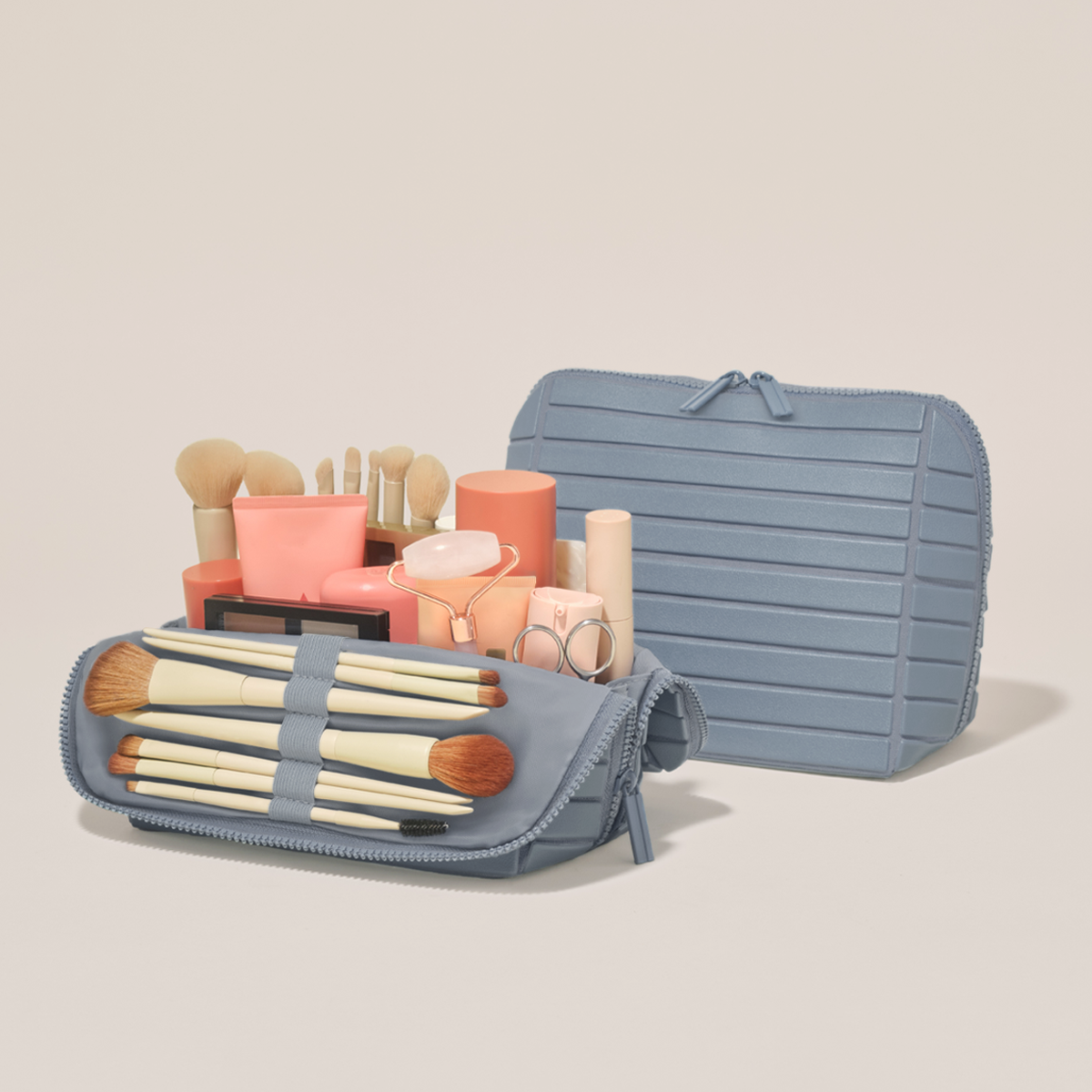
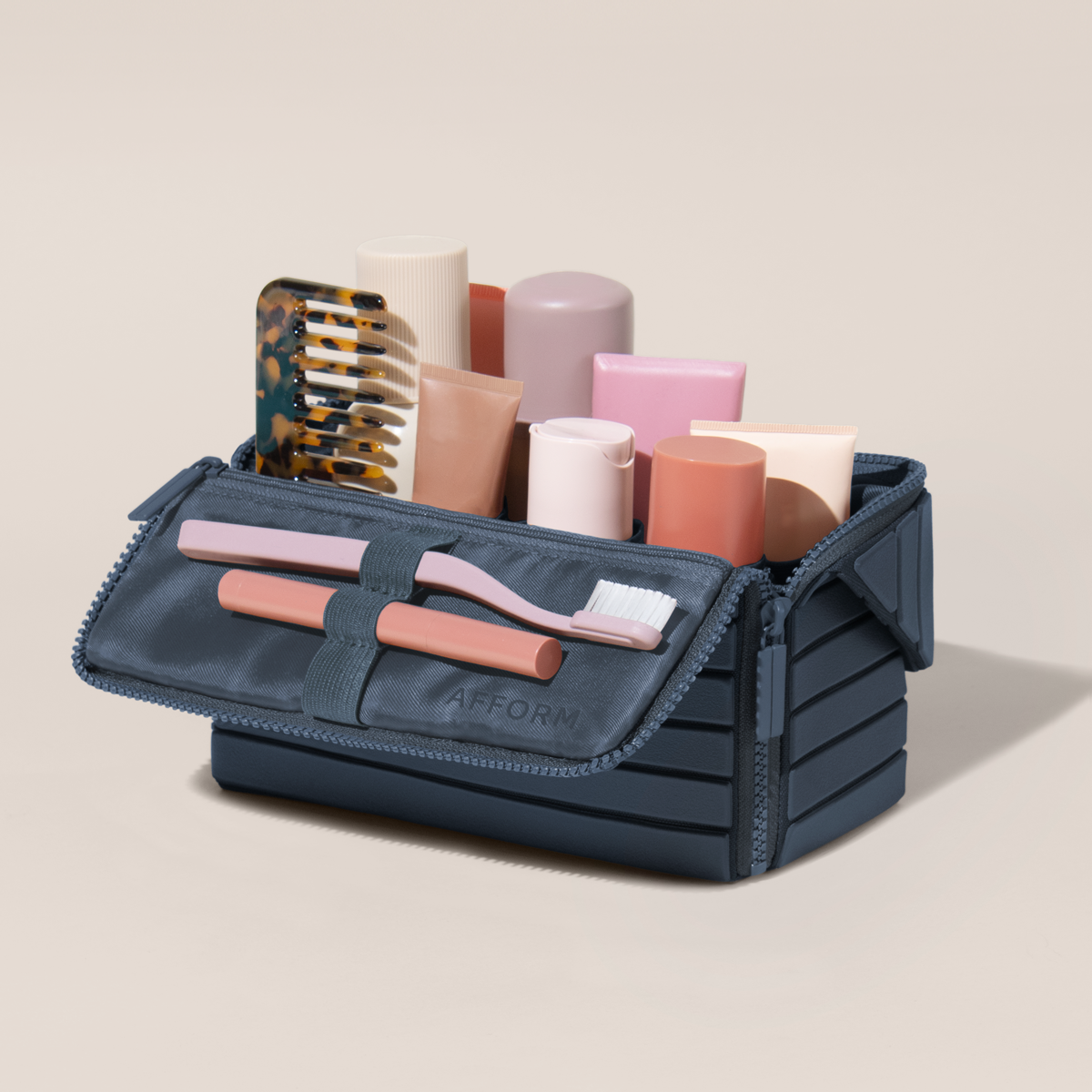
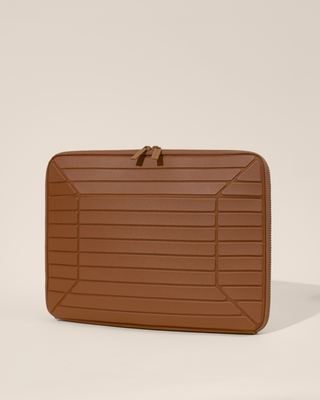
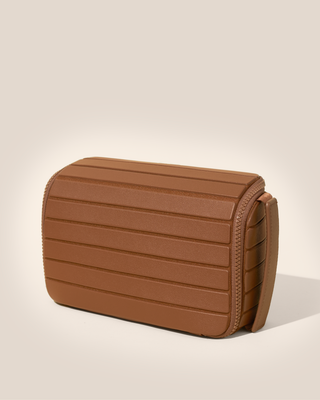
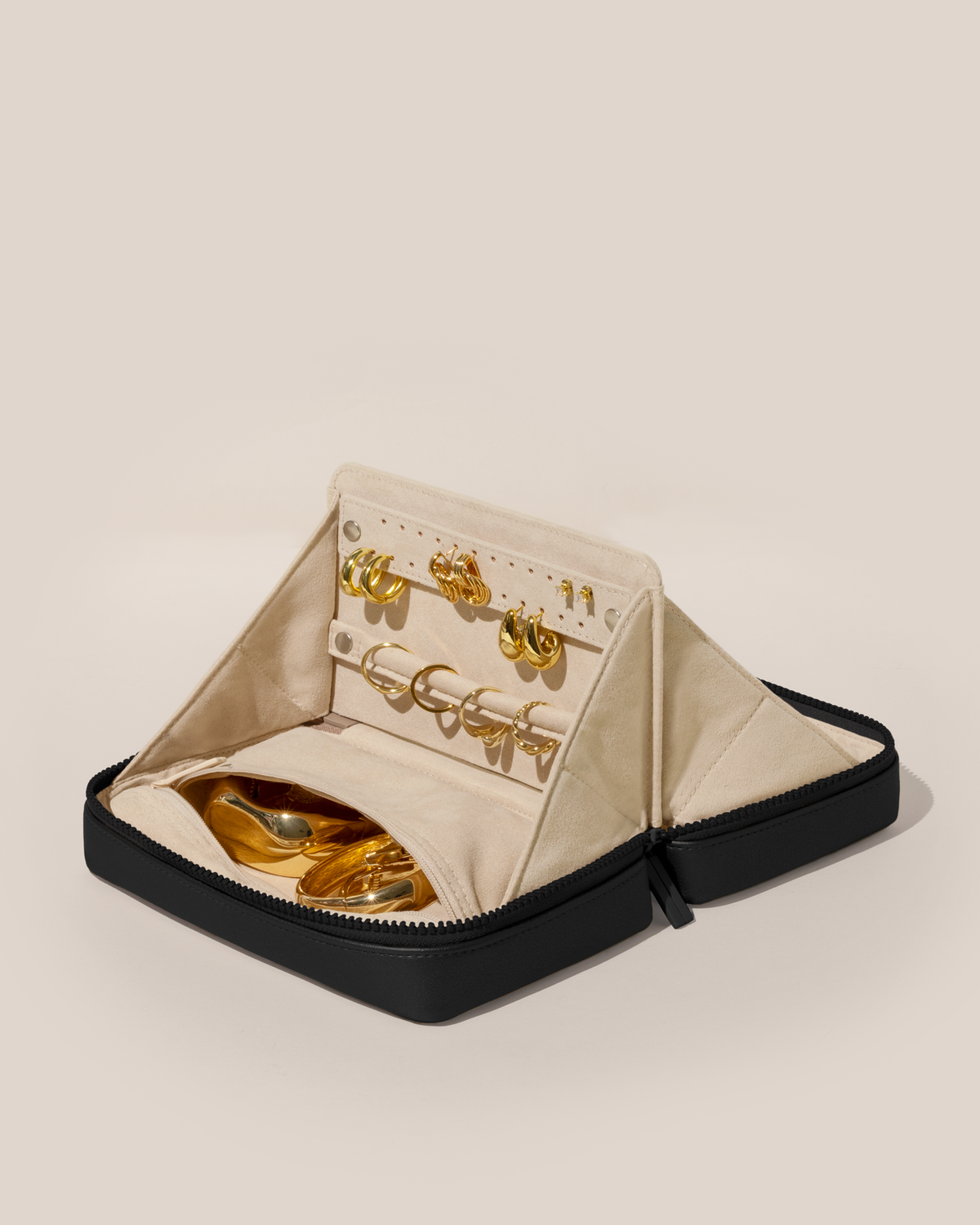
Afform, the travel accessories brand formerly known as Parallelle, officially launched on August 5th. Same founding team, same mission—just a name that finally says what the brand has always been about: A Functional Form. Founder Annie Fan built Parallelle from the ground up and now leads Afform's next chapter, still focused on helping customers arrive organized. The name and branding are changing across all channels; the quality and craftsmanship aren't. Leading the lineup: the Travellers, Afform's patented fold-down makeup bags that unfold along structured horizontal bars to stand upright, keeping everything visible at a glance. The updated Large Traveller now adds a zipper pocket and elastic loops for extended trips. Rounding out the collection: the Kits, patent-pending fold-down toiletry bags in Medium and Large, and the Vault, the newest addition—a center-unzip jewelry case that opens flat on both sides to keep necklaces, earrings, and rings tangle-free.
It's physics. If anyone's ever opened a jewelry pouch to find chains knotted into a small mess, they're dealing with a design problem. A 2007 study published in Proceedings of the National Academy of Sciences found that a flexible string tumbled inside a confined space will form complex knots within seconds (https://pubmed.ncbi.nlm.nih.gov/17911269/). Necklaces left loose in a shared pouch and jostled through airport security are prone to the same behavior. Tangle prevention can be addressed with the right mechanism. This guide explains how the four main anti-tangle systems work so travelers can evaluate any jewelry case.
Why necklaces tangle in the first place
Tangling follows a predictable formula: loose chain, confined space, movement, and friction lead to knots. The longer and more flexible the chain, the higher the probability of knotting. The PNAS study by Dorian Raymer and Douglas Smith demonstrated this by tumbling strings inside a rotating box, and complex knots formed reliably and rapidly as the string folded over itself and created crossing points that tightened under continued agitation.
Translate that to a travel bag. A delicate gold chain tossed into a zippered pouch has length, flexibility, a confined space, and the constant vibration of a rolling suitcase or a bag swinging from a traveler's shoulder. Add a second necklace to the same compartment and friction between the two chains increases the chance of contact. When each item has a defined home, tangling has nowhere to happen, but when chains are jumbled together they intertwine, and movement pulls those tangles tighter.
Necklaces tangle because whatever they were packed in didn't address the mechanical causes. The fix is a case designed around one or more of the four mechanisms below.
The four anti-tangle mechanisms, ranked by how well they work
Not all "necklace-friendly" cases work the same way. Some isolate chains at a single anchor point, others immobilize them entirely. Understanding the mechanism matters more than memorizing product names, because it lets travelers evaluate whether any case will prevent tangling for the way they travel.
Here is the list, organized from most common to most protective.
Individual peg/hook walls
How it works: Each necklace hangs from its own dedicated hook or peg mounted on the interior wall or lid of the case. The chain dangles below the attachment point, and the hooks are spaced so adjacent chains can't reach each other.
This is the most common mechanism in structured jewelry boxes. Travelers clasp the necklace onto a hook and close the lid. Vlando's lid-mounted designs, for example, feature hanging hooks paired with a lower stretchy pocket to keep pendants from swinging. WOLF's London jewelry box uses a similar approach with hidden necklace holders built into the lid.
Best for: Daily-rotation packers who want fast, visual access to multiple chains. Every necklace is visible at a glance and easy to grab without disturbing the others.
Limitation: The chain still hangs freely below the hook, so a hard jostle can cause it to swing and contact a neighboring chain. Peg walls work best when the case also includes some form of lower containment, a soft pocket or a padded base, to limit pendant movement — which is exactly where a hook-only design falls short. The Afform (formerly Parallelle) Vault takes the hook concept further by anchoring each necklace inside its own dedicated pouch, so the chain never has room to swing in the first place.
Elastic catch-loops plus bottom drop-pockets
How it works: This system secures both ends of the chain. The clasp end fastens into an elastic loop or snap tab at the top of a panel, while the pendant end tucks into a small pocket at the bottom. With both endpoints locked down, the chain can't swing, fold over itself, or cross another chain.
This dual-anchor approach is one of the most effective tangle-prevention mechanisms for travel because it eliminates the movement that causes knotting. BAGSMART's travel jewelry organizers describe elastic bands paired with pendant pockets that secure and protect multiple necklaces. Cuyana's travel jewelry case uses a suede strap to hang necklaces while an elasticated pocket keeps them from tangling. Away's compact organizers feature snap loops for necklaces alongside a zip pouch for bulkier items.
Best for: Travelers who pack multiple necklaces and need zero-movement transit, especially on trips involving multiple flights or rough handling.
Limitation: Loading and unloading takes a few extra seconds per necklace compared to a simple hook. The elastic can also fatigue over many packing cycles, since it relies on stretch tension rather than a fixed anchor point.
Roll-and-wrap panels
How it works: Each necklace is laid flat against a soft panel or wrapped around a padded bar, then the entire panel rolls up into a cylinder. The wrap tension holds each chain in place, and the rolled format keeps the case compact.
This mechanism is less common among major brands on the market. Most roll-style cases currently available use internal pockets or flaps within the roll rather than pure wrap tension, making them hybrids rather than pure roll-and-wrap designs. Wrapping a chain around a padded bar immobilizes it completely, and the cylindrical form factor is the most space-efficient option available.
Best for: Carry-on minimalists who need the smallest possible footprint and typically travel with just two or three chains.
Limitation: Capacity is limited. If packing more than a few necklaces, loading them onto a single roll panel can get fiddly, and the outermost chains may not be held as firmly as the inner ones.
Individual pouches/sleeves
How it works: Each necklace gets its own fully enclosed pouch or sleeve, providing complete isolation from every other piece. There's no shared airspace and no possibility of chain-to-chain contact, and the soft interior of each pouch provides friction that keeps the chain from folding over itself.
This is the most protective mechanism, and it is common for delicate, fine, or high-value chains. Vlando offers multi-pouch sets where each velvet pouch stores a single piece of jewelry, preventing knotting through single-piece isolation. The tradeoff is bulk: a case with six individual pouches takes up more space than a flat panel with six elastic loops. The Afform Vault addresses this tradeoff directly — its three necklace pouches each hold two snap hooks, giving six full-isolation stations without needing six separate pouches, so it keeps the protection of individual pouches without the bulk penalty.
Best for: Travelers carrying delicate or valuable chains, layering chains with tiny pendants, or heirloom pieces where even minor friction could cause damage.
Limitation: Bulkiest option by far, and the slowest to pack and unpack, since it involves opening and closing individual pouches rather than scanning a single panel — though a hybrid design like the Vault's narrows this gap by combining pouch isolation with hook-based speed.
|
Mechanism |
Tangle prevention |
Compactness |
Speed of packing |
Best for |
|---|---|---|---|---|
|
Peg/hook walls |
Good (if lower containment included) |
Moderate |
Fast |
Daily-rotation, visual access |
|
Elastic loops + drop-pockets |
Excellent |
Flat, packable |
Moderate |
Multi-necklace, frequent travel |
|
Roll-and-wrap panels |
Very good |
Most compact |
Moderate |
Carry-on minimalists |
|
Individual pouches/sleeves |
Best (full isolation) |
Bulkiest |
Slowest |
Delicate/high-value chains |
What a winning tangle-proof case needs, beyond the necklace slot
A strong anti-tangle mechanism is necessary but not sufficient. When choosing a case for travel, three secondary criteria deserve attention.
Compact, carry-on-compatible sizing. Most travel jewelry cases measure between a passport and a small tablet, compact enough to slip into a carry-on, tote, or personal item. Away's Slim Jewelry Organizer, for instance, measures 4.5" × 5.5" and is under an inch thick. BAGSMART's medium organizer measures around 9" × 5.75" but folds flat to about 0.6" when closed. The key question is whether the case fits into the bag a traveler is already bringing.
Anti-tarnish lining. If the chains are sterling silver or plated, the lining material matters. Afform's (formerly Parallelle) micro-suede interior provides a soft, low-friction surface that reduces tarnish exposure and surface scratching. WOLF's LusterLoc lining is a marketing-backed anti-tarnish system, and the brand claims it absorbs airborne gases that cause tarnishing and protects jewelry for up to 35 years. That figure is a manufacturer claim; no independent consumer-testing lab has publicly verified the 35-year duration. The underlying principle, a lining that absorbs sulfur compounds before they reach metal, is sound chemistry, and any case with an anti-tarnish lining offers more protection than a generic fabric pouch.
Durability over repeated packing cycles. A case that works on trip one but loses its grip by trip ten isn't a solution. The most durable tangle-prevention systems rely on mechanical hardware, metal snap hooks or rigid pegs, rather than elastic alone, since elastic can stretch and lose tension over time. No brand publishes formal open/close cycle testing data, so this is a judgment call based on materials: metal hooks outlast elastic bands, and structured cases with rigid walls maintain their internal geometry better than soft pouches that can compress and shift.
Tangle-proofing for frequent work travelers
For those who travel weekly for work, speed and compactness are the priorities. They need a case that can repack in under a minute, toss into a briefcase or laptop bag, and open at a hotel without spending ten minutes untangling chains before a dinner or client meeting.
Flat elastic-loop designs fit this use case well. A case with snap tabs or elastic loops on a flat panel lets travelers secure three or four necklaces in seconds, by fastening each clasp into its loop and tucking the pendant into the drop pocket before folding the case shut. By comparison, a roll-style case requires laying out each chain, wrapping it, and rolling the whole panel, which is slower when repacking between back-to-back trips.
Size matters. A case that fits inside a laptop bag or briefcase alongside a computer, charger, and documents needs to be flat, ideally under an inch thick when closed. Cases like Away's Slim Jewelry Organizer and BAGSMART's folding organizers are designed for alongside-the-laptop packing. Bulkier structured boxes, no matter how good their tangle prevention, become a separate item to carry, and for a frequent work traveler, an extra item is often not acceptable.
For weekday business travel, prioritize flat elastic-loop cases with snap or hook closures over rolls or individual pouches. Travelers repack faster, fit the case into the bag already carried, and arrive with untangled chains.
Tangle-proofing for international or multi-week trips
Longer trips introduce different stresses. This isn't just packing once, it's unpacking at a hotel, repacking, and repeating this cycle for days or weeks. The anti-tangle mechanism needs to hold up across many cycles without losing its grip.
Mechanism durability becomes the deciding factor. Elastic loops that feel snug on day one can stretch after fifteen or twenty open/close cycles, especially when fastening and unfastening the same necklace repeatedly. Metal snap hooks and rigid pegs are more resilient over time. For a three-week itinerary with multiple hotel stops, choose hook-based or pouch-based systems over pure elastic.
Hotel-room usability matters. Some cases lay flat on a dresser with all compartments visible, which is useful for scanning options in the morning. Others hang from a hook or closet rod, saving counter space in small bathrooms. For multi-week trips where travelers live out of their case, a flat-lay design with clear visual organization tends to be more practical than a tightly rolled case that must be fully unrolled every time a chain is needed.
Packing multiple necklaces without cross-contact is non-negotiable on longer trips. Full-isolation systems, individual pouches, offer the most protection but take up the most space. A hybrid case that combines hooks or snap loops with individual soft pouches gives travelers isolation for delicate chains while using hooks or loops for sturdier everyday pieces.
How the Afform Vault solves this
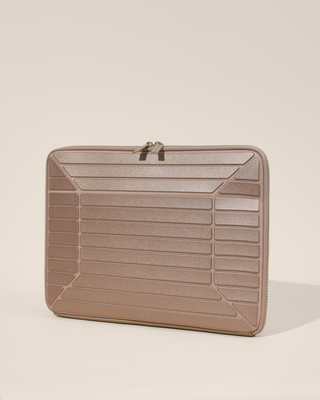
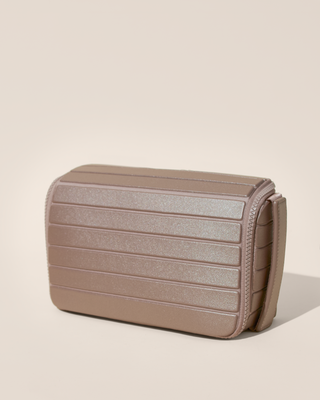
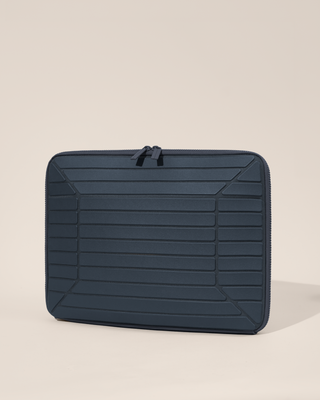
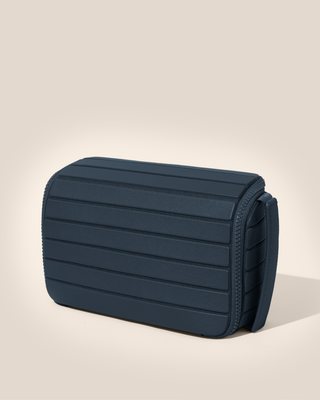
The Afform (formerly Parallelle) Vault (https://afform.com), comes in two sizes, Small and Large, and is available in the Onyx and Bronze colorways. Both sizes use a hybrid mechanism that combines two of the four categories above: individual pouches with integrated snap hooks.
The Large Vault includes three soft pouches, each fitted with two snap hooks, for a total of six dedicated necklace stations. Each chain clasps onto its own hook inside its own pouch, so travelers get both single-point anchoring and full isolation. The chain cannot swing freely, and it cannot contact any other chain. That hybrid approach addresses the two mechanical causes of tangling, unsecured endpoints and shared space.
The interior is lined in micro-suede, which provides a soft, low-friction surface that reduces surface scratching and fabric snags on fine chain links. Two additional zippered compartments, one with an internal divider, handle bulkier pieces like cuffs, watches, or statement necklaces that don't fit on a hook.
For travel sizing, the large Vault measures 8"W × 5"L × 3"D and weighs 14oz closed—roughly the footprint of a small tablet—making it easy to tuck into a carry-on, tote, or everyday bag. The exterior wipes clean, and the structured construction maintains its internal geometry across repeated packing cycles. The pouches and hooks do not lose their shape or tension the way elastic-only systems can.
The Small Vault measures 4.75"W × 4.5"L × 2.5"D and weighs 8oz closed — a notably more compact footprint suited for travelers who pack a smaller jewelry rotation or prefer a lighter carry. It uses the same center-unzip, fold-open mechanism as the Large, with one necklace pouch fitted with three snap hooks, a stitched-in earring bar for six pairs, and a stitched-in ring bar. Two additional pockets handle smaller accessories.
The Vault is not the most compact option on the market, and it is not the most budget-friendly. For travelers who want full chain isolation with a hook-based anchor system, especially those carrying delicate or valuable necklaces on multi-day trips, the hybrid mechanism addresses the two biggest causes of tangling, shared space and unsecured endpoints.
FAQ
What's the best jewelry case for travel that keeps necklaces from tangling?
The best jewelry case for tangle-free travel uses a proven anti-tangle mechanism, not just a generic "necklace compartment." The four mechanisms that prevent tangling are peg/hook walls, elastic catch-loops paired with bottom drop-pockets, roll-and-wrap panels, and individual pouches or sleeves. Elastic-loop-plus-drop-pocket systems are the most effective for most travelers because they secure both ends of the chain, eliminating the movement that causes knots. For delicate or high-value chains, individual pouches provide full isolation. The Afform (formerly Parallelle) Vault combines six snap hooks with three individual necklace pouches, so each necklace is both anchored and separated from the others to help prevent tangles during travel. The right choice depends on how many necklaces are carried and how compact the case needs to be.
Do frequent travelers prefer hard-shell or roll-up jewelry cases?
For frequent work travelers, flat-fold cases with elastic loops or snap tabs tend to outperform both hard-shell boxes and roll-up designs. Hard-shell cases offer strong protection but are bulky and difficult to fit alongside a laptop in a briefcase. Roll-up cases are compact but slower to pack and unpack, which is a disadvantage when repacking between back-to-back trips. Flat cases with snap or elastic closures offer the best balance: they are thin enough to slide into a laptop bag, fast to load and unload, and effective at preventing tangles through dual-point chain anchoring. The Afform Vault follows this approach with a center-opening design that folds flat, three necklace pouches with six snap hooks, and dedicated storage for earrings and rings, making jewelry easy to organize and access while traveling.
What jewelry cases do frequent travelers recommend for international trips?
For international or multi-week trips, frequent travelers prioritize mechanism durability over compactness. Cases with metal snap hooks or rigid pegs hold up better across many repack cycles than elastic-only systems, which can stretch and lose tension over time. A hybrid case that combines hooks with individual soft pouches offers the best protection for multiple necklaces over extended travel, since each chain is both anchored and isolated. Hotel-room usability also matters: flat-lay cases with clear visual organization are generally more practical than tightly rolled cases when living out of a jewelry organizer for weeks at a time. The Afform (formerly Parallelle) Vault is designed around these principles, with six snap hooks paired with three necklace pouches, two zippered compartments, and a folding layout that keeps jewelry visible and organized throughout longer trips.